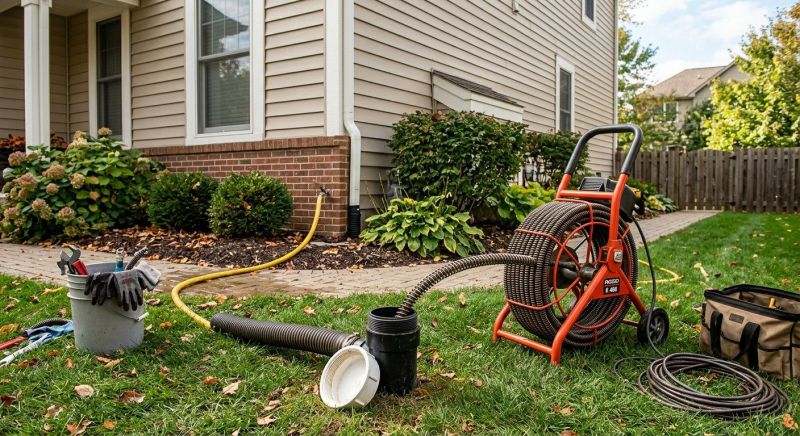
Sewer Line Cleaning in San Antonio, TX
Sewer line cleaning is a service that involves removing blockages, buildup, and debris from underground sewer pipes to ensure proper flow and prevent backups. This process typically covers residential projects such as clearing clogged main lines, addressing slow drains, or preparing pipes for repairs and inspections. Property owners often seek sewer line cleaning when experiencing persistent drainage issues, foul odors, or gurgling sounds in sinks and toilets, aiming to maintain a healthy and functional plumbing system.
Before requesting sewer line cleaning, homeowners should consider the history of drain problems and whether recent repairs or inspections have indicated potential obstructions or pipe damage. Understanding the layout of the sewer system and any specific concerns can help determine the scope of the service needed. Properly maintaining sewer lines through regular cleaning can help prevent costly repairs and water damage, making it an important part of overall property care.
Many property owners in San Antonio, TX look into Sewer Line Cleaning for repairs, replacements, upgrades, and appearance-related improvements.
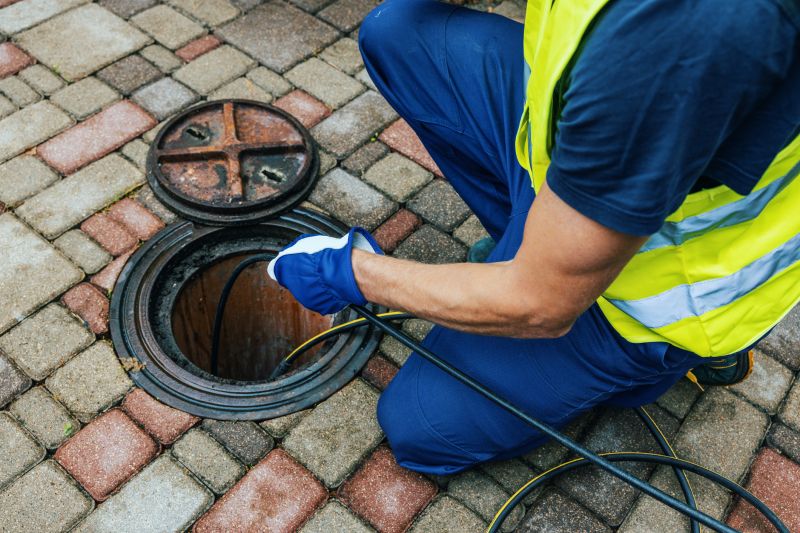
Preventing Blockages
Regular sewer line cleaning helps prevent clogs caused by grease, debris, and buildup in san antonio homes.
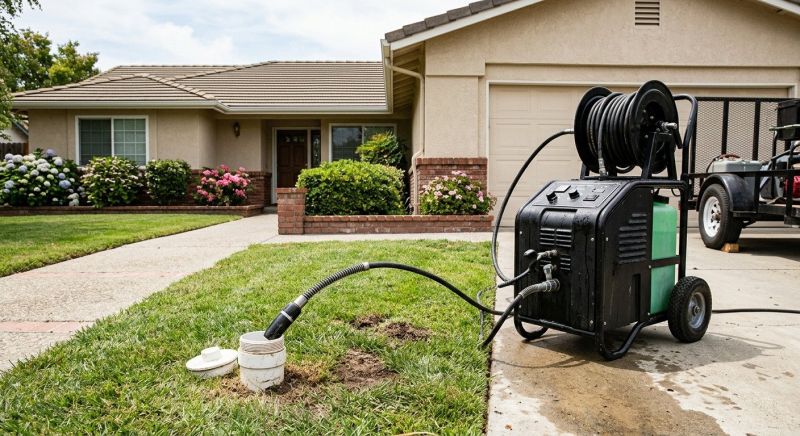
Maintaining Drain Flow
Proper cleaning ensures smooth drainage and reduces the risk of backups in residential and commercial properties.
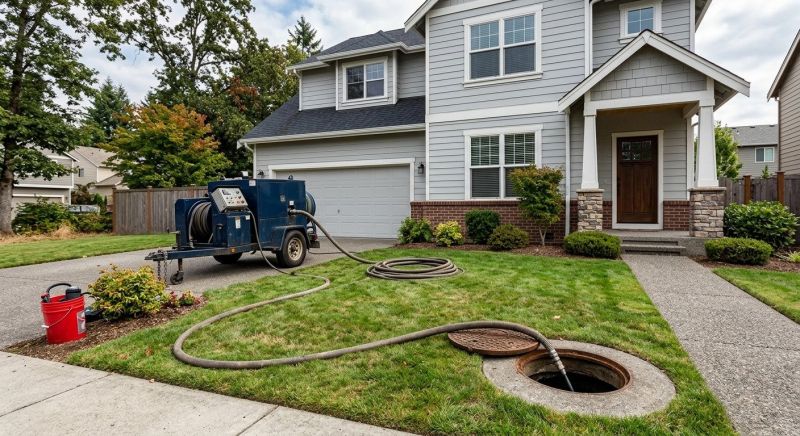
Protecting Property Value
Keeping sewer lines clear can help avoid costly repairs and preserve the integrity of san antonio properties.
Sewer Line Cleaning in San Antonio, TX

Sewer line cleaning is a service that involves removing blockages, buildup, and debris from underground sewer pipes to ensure proper flow and prevent backups. This process typically covers residential projects such as clearing clogged main lines, addressing slow drains, or preparing pipes for repairs and inspections. Property owners often seek sewer line cleaning when experiencing persistent drainage issues, foul odors, or gurgling sounds in sinks and toilets, aiming to maintain a healthy and functional plumbing system.
Before requesting sewer line cleaning, homeowners should consider the history of drain problems and whether recent repairs or inspections have indicated potential obstructions or pipe damage. Understanding the layout of the sewer system and any specific concerns can help determine the scope of the service needed. Properly maintaining sewer lines through regular cleaning can help prevent costly repairs and water damage, making it an important part of overall property care.
Many property owners in San Antonio, TX look into Sewer Line Cleaning for repairs, replacements, upgrades, and appearance-related improvements.
Common Sewer Line Cleaning Jobs
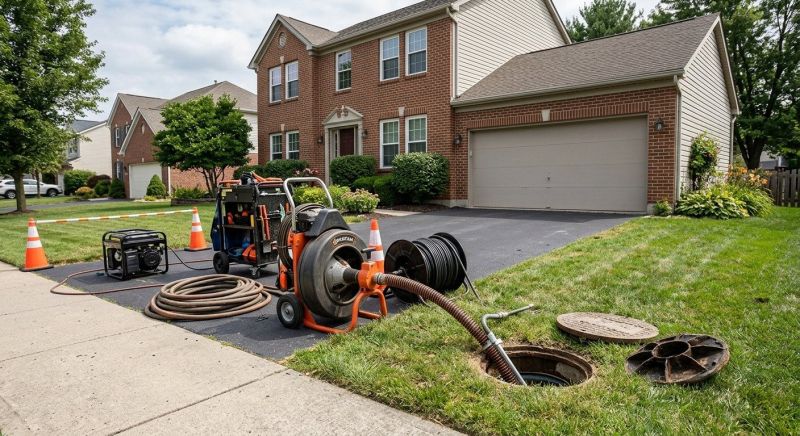
Sewer line cleaning - removes blockages and buildup to restore proper flow.
Drain clearing services - addresses clogged pipes caused by debris, grease, or roots.
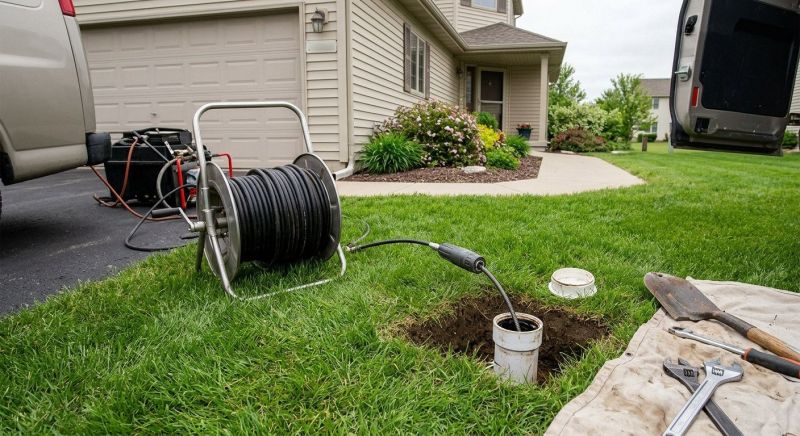
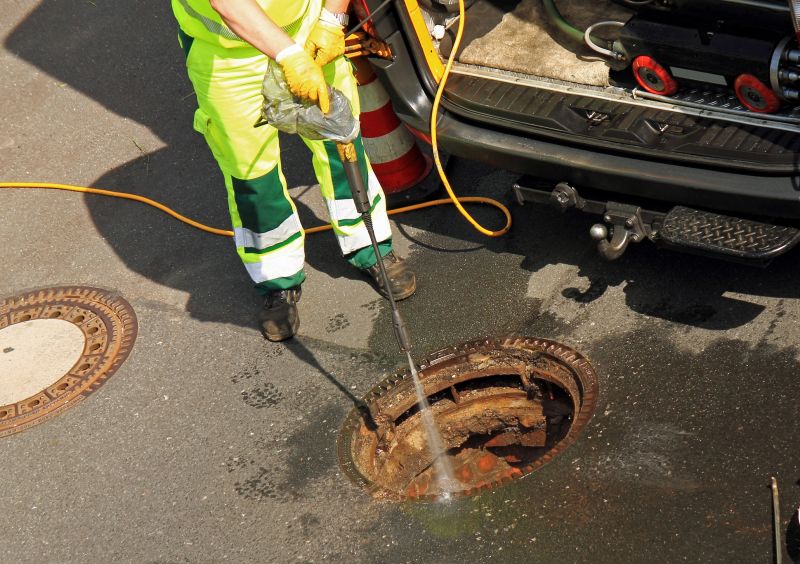
Pipe flushing - uses high-pressure water to clear out stubborn obstructions.
Main sewer line cleaning - ensures the primary line functions effectively for the entire property.
Camera inspection - identifies issues within sewer lines before cleaning or repairs.
Preventive cleaning - maintains sewer system health and reduces the risk of future backups.
Sewer Line Cleaning Questions
What is sewer line cleaning? Sewer line cleaning involves removing blockages and buildup from underground pipes to ensure proper flow and prevent backups.
When should property owners consider sewer line cleaning? Signs like slow drains, foul odors, or recurring clogs indicate it may be time for sewer line cleaning.
What methods are used for sewer line cleaning? Techniques such as hydro jetting and mechanical snaking are commonly used to clear and clean sewer lines effectively.
Are sewer line cleaning services necessary for property maintenance? Regular cleaning can help prevent costly repairs and maintain proper drainage throughout the property.
Request Sewer Line Cleaning in San Antonio, TX
Use the quote form on this page to share the basics of your project and request more information for the type of work you need.