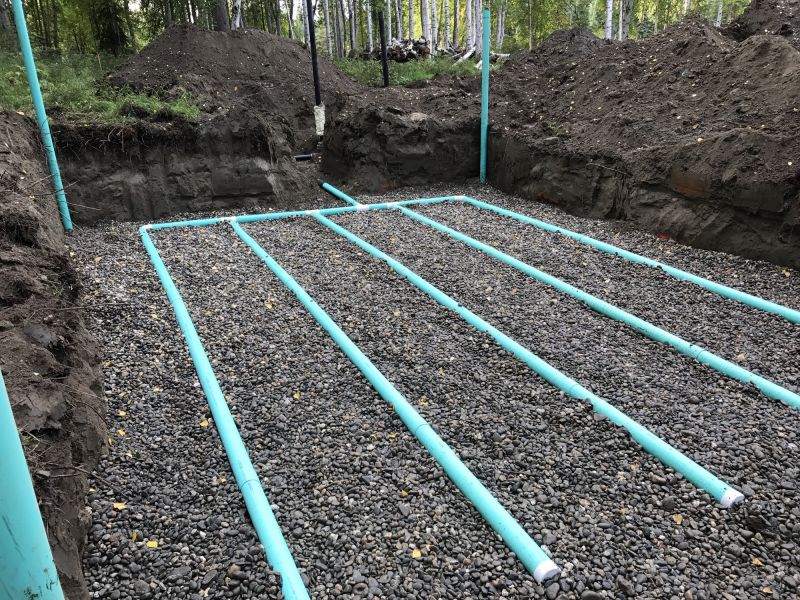
Drain Field Installation in Denver, CO
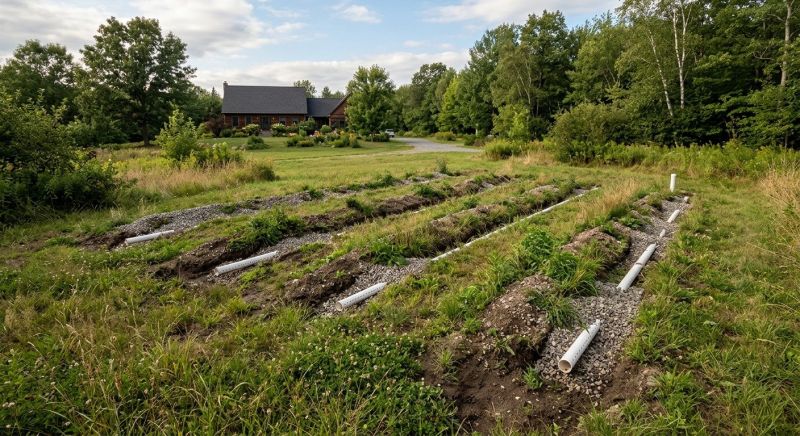
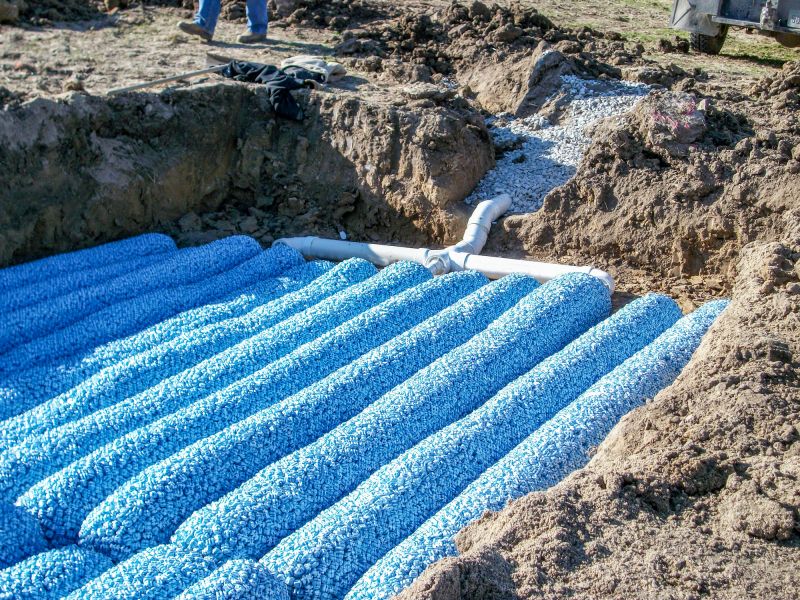
Drain field installation services involve setting up the underground system that disperses treated wastewater from a septic tank into the surrounding soil. This process is essential for properties that rely on septic systems, ensuring proper wastewater management and preventing issues such as backups or soil contamination. Projects typically include designing, excavating, and installing drain fields tailored to the property's size, soil conditions, and local regulations. Homeowners often want to understand the necessary space, suitable soil types, and maintenance considerations before requesting installation services.
Property owners considering drain field installation should be aware of site-specific factors such as soil permeability, property layout, and local codes that influence the system’s design and placement. It’s also helpful to understand the lifespan of the system, signs of potential issues, and any permits or inspections required for installation. Proper planning and understanding these elements can contribute to a reliable and efficient septic system that meets the property's needs.
Many property owners in Denver, CO look into Drain Field Installation for repairs, replacements, upgrades, and appearance-related improvements.
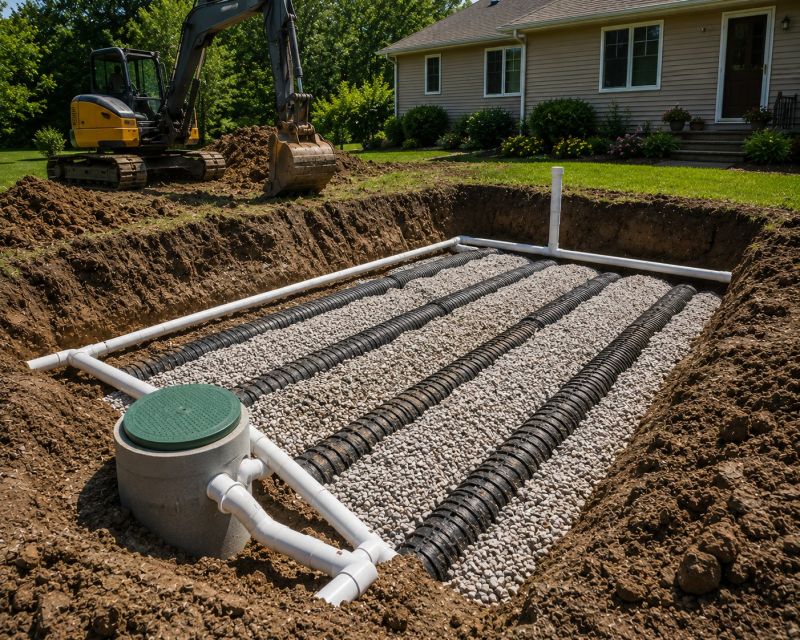
Proper Drain Field Design
Ensuring the drain field is tailored to the property's size and soil conditions for optimal performance.
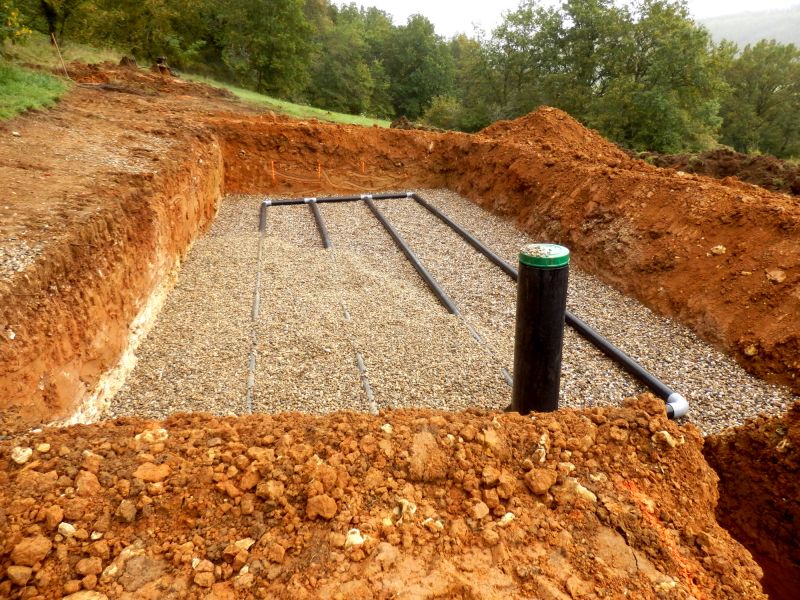
Installation Process Overview
Installing drain fields involves excavating, laying pipes, and covering with soil to safely disperse wastewater.
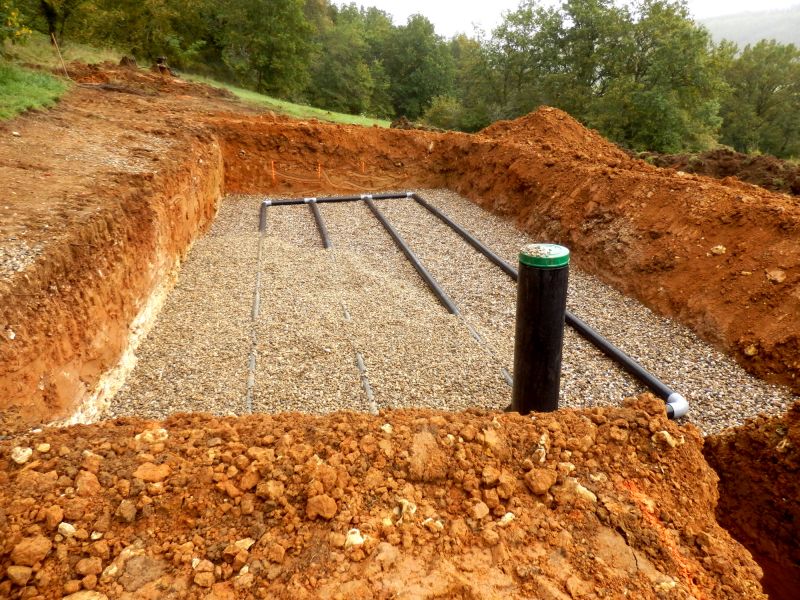
Maintenance And Troubleshooting
Regular inspection helps prevent issues like clogs or saturated soil that can affect system functionality.
Drain Field Installation in Denver, CO

Drain field installation services involve setting up the underground system that disperses treated wastewater from a septic tank into the surrounding soil. This process is essential for properties that rely on septic systems, ensuring proper wastewater management and preventing issues such as backups or soil contamination. Projects typically include designing, excavating, and installing drain fields tailored to the property's size, soil conditions, and local regulations. Homeowners often want to understand the necessary space, suitable soil types, and maintenance considerations before requesting installation services.
Property owners considering drain field installation should be aware of site-specific factors such as soil permeability, property layout, and local codes that influence the system’s design and placement. It’s also helpful to understand the lifespan of the system, signs of potential issues, and any permits or inspections required for installation. Proper planning and understanding these elements can contribute to a reliable and efficient septic system that meets the property's needs.
Many property owners in Denver, CO look into Drain Field Installation for repairs, replacements, upgrades, and appearance-related improvements.
Common Drain Field Installation Jobs
Drain field installation - involves setting up a system to safely disperse wastewater underground.
Septic system installation - includes designing and installing drain fields for new septic systems.
Drain field replacement - replaces aging or failing drain fields to ensure proper wastewater flow.
Drain field repair - addresses issues like clogs, leaks, or uneven settling in existing systems.
Soil testing and site assessment - evaluates soil conditions to determine the best location for drain fields.
Drain field upgrades - enhances or expands existing systems to meet increased property needs.
Drain Field Installation Questions
What is drain field installation? Drain field installation involves setting up a system that safely disperses wastewater from a septic tank into the ground, helping to treat and remove contaminants.
What types of properties need drain field services? Properties with septic systems, especially those not connected to municipal sewer lines, typically require drain field installation or repairs.
How can I tell if my drain field needs attention? Signs include standing water, unpleasant odors, or slow drainage in plumbing fixtures, indicating possible issues with the drain field.
What should property owners consider before installation? It’s important to evaluate soil conditions, property size, and local regulations to ensure proper placement and functionality of the drain field.
Request Drain Field Installation in Denver, CO
Use the quote form on this page to share the basics of your project and request more information for the type of work you need.