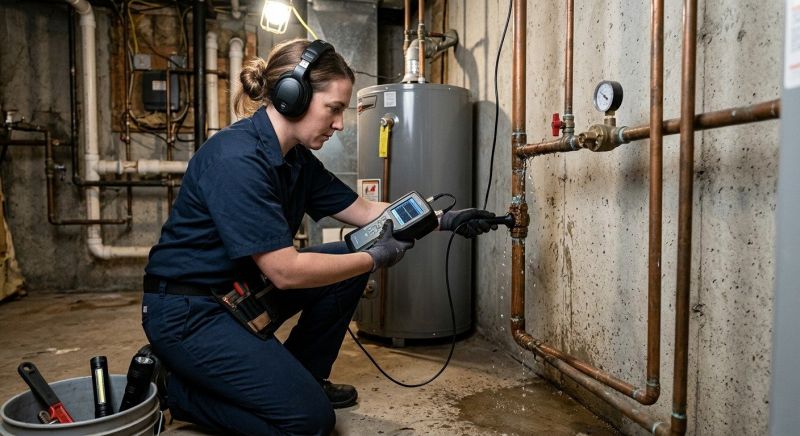
Pipe Leak Detection in Denver, CO
Pipe leak detection services involve identifying hidden or hard-to-see leaks within plumbing systems to prevent water damage and costly repairs. This service is applicable to a wide range of projects, including detecting leaks in underground pipes, behind walls, under floors, or within landscaping. Property owners typically seek this service when experiencing unexplained increases in water bills, damp spots or mold growth, or persistent low water pressure, and want to locate leaks accurately before planning repairs or replacements.
Before requesting pipe leak detection, property owners often want to understand the methods used to find leaks, such as electronic listening devices, thermal imaging, or pressure testing. They may also inquire about the areas covered by the service, the potential need for access points, and how the process minimizes disruption to their property. Clear information about these aspects can help homeowners prepare for the inspection and ensure the most effective leak detection process.
Many property owners in Denver, CO look into Pipe Leak Detection for repairs, replacements, upgrades, and appearance-related improvements.
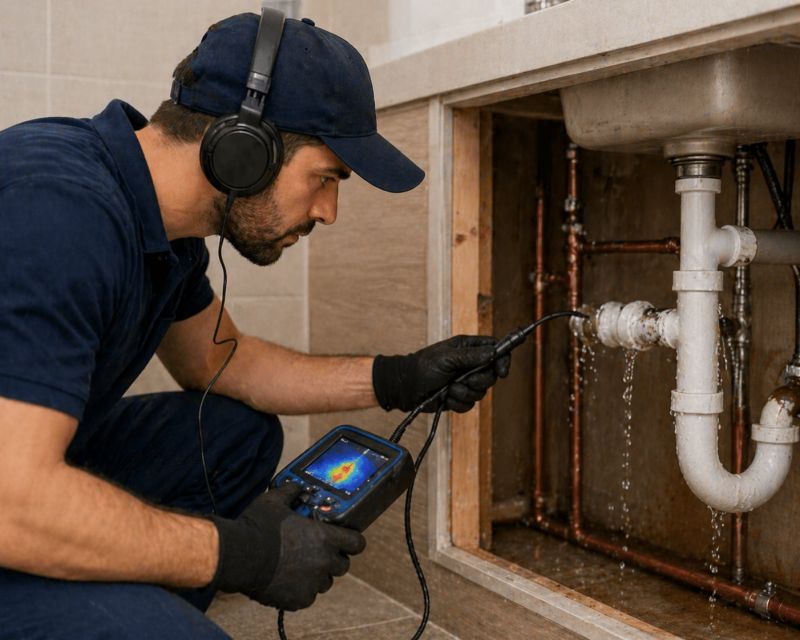
Signs Of Hidden Leaks
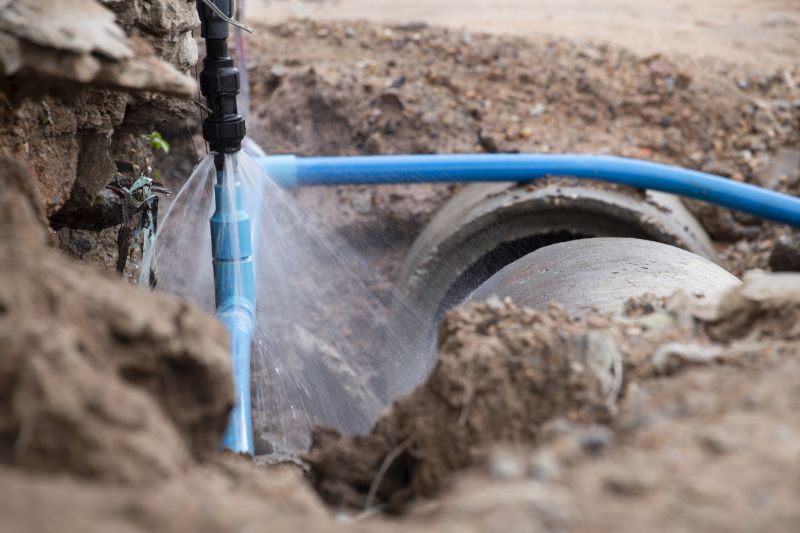
Unexplained increases in water bills or damp spots may indicate a pipe leak behind walls or under floors.
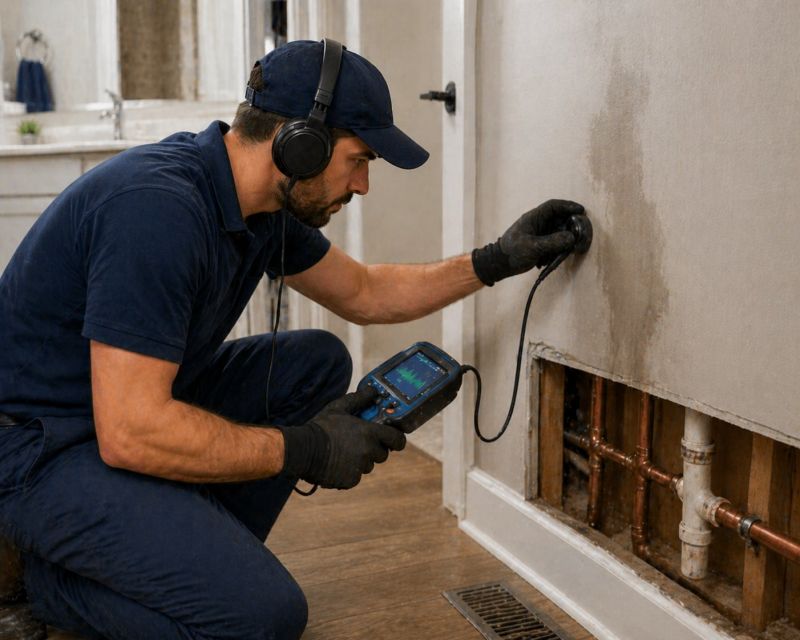
Advanced Detection Methods
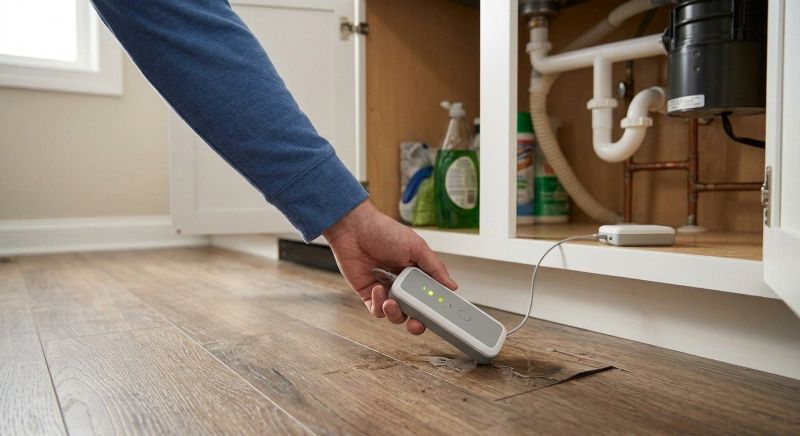
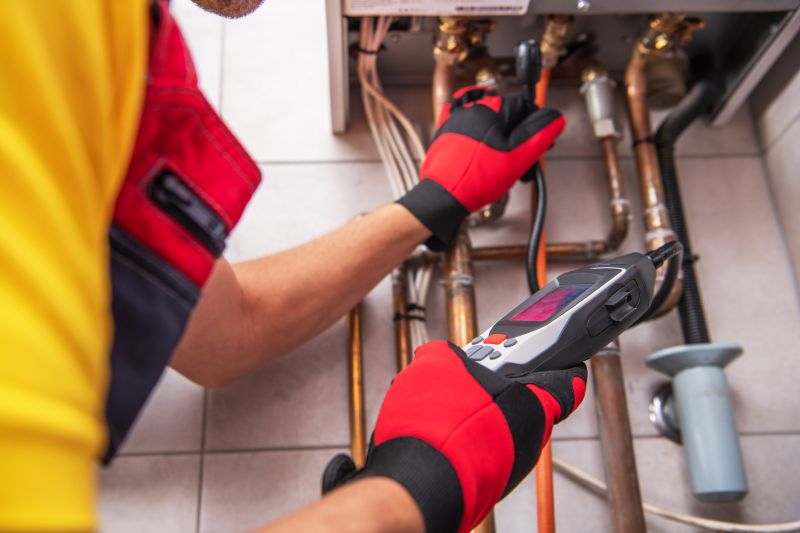
Specialized tools like acoustic sensors and thermal imaging help locate leaks without damaging property surfaces.
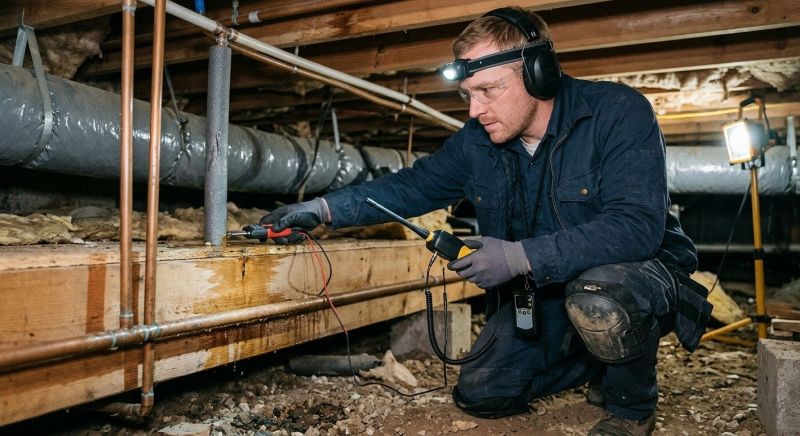
Preventing Water Damage
Early detection of pipe leaks can help homeowners in denver prevent costly repairs and property damage.
Pipe Leak Detection in Denver, CO

Pipe leak detection services involve identifying hidden or hard-to-see leaks within plumbing systems to prevent water damage and costly repairs. This service is applicable to a wide range of projects, including detecting leaks in underground pipes, behind walls, under floors, or within landscaping. Property owners typically seek this service when experiencing unexplained increases in water bills, damp spots or mold growth, or persistent low water pressure, and want to locate leaks accurately before planning repairs or replacements.
Before requesting pipe leak detection, property owners often want to understand the methods used to find leaks, such as electronic listening devices, thermal imaging, or pressure testing. They may also inquire about the areas covered by the service, the potential need for access points, and how the process minimizes disruption to their property. Clear information about these aspects can help homeowners prepare for the inspection and ensure the most effective leak detection process.
Many property owners in Denver, CO look into Pipe Leak Detection for repairs, replacements, upgrades, and appearance-related improvements.
Common Pipe Leak Detection Jobs
Underground pipe inspection - detects leaks hidden beneath the surface without excavation.
Water loss detection - identifies leaks that cause increased utility bills and water waste.
Slab leak detection - locates leaks beneath concrete slabs to prevent structural damage.
Pipe integrity assessment - evaluates pipe condition to prevent future leaks and costly repairs.
Emergency leak detection - quickly finds leaks causing flooding or water damage.
Leak source pinpointing - accurately identifies the exact location of leaks for targeted repairs.
Pipe Leak Detection Questions
How can I tell if I have a pipe leak? Signs include unexplained water bills, damp spots on walls or floors, and reduced water pressure.
What areas do pipe leak detection services cover? Services typically focus on residential plumbing systems, including basements, crawl spaces, and main water lines.
Why is detecting a leak early important? Early detection helps prevent water damage, mold growth, and costly repairs to property structures.
What methods are used for pipe leak detection? Non-invasive techniques like acoustic sensors and thermal imaging are commonly used to locate leaks without extensive digging.
Request Pipe Leak Detection in Denver, CO
Use the quote form on this page to share the basics of your project and request more information for the type of work you need.